
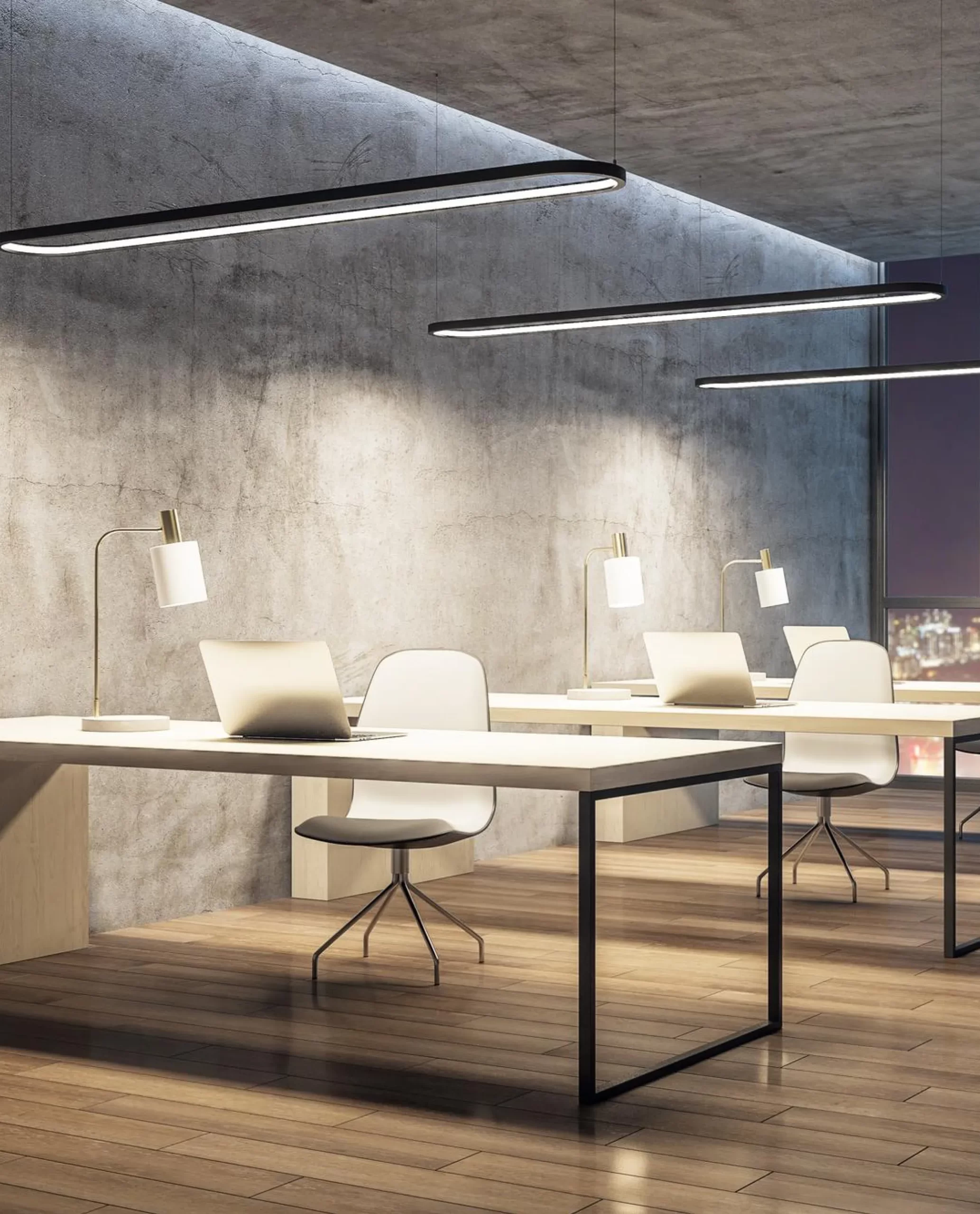
How Lighting Design Shapes Mood and Productivity in Offices?
When you walk into a luxury hotel lobby in Dubai or an intimate boutique café in Abu Dhabi, you immediately feel something, elegance, warmth, or perhaps a sense of belonging. That is the art of hospitality design. It is important to consider how a space feels, functions, and connects with the people that use it.
The Arabian Hospitality makes spaces that are stories by offering the top-tier hospitality products, and it transforms architecture into experiences that are memorable. Hospitality becomes emotional when the right design is made, whether you are designing a luxury resort or a modern restaurant or a wellness retreat.
In this blog we’ll explore how hospitality design architecture defines experiences, supports brand identity, and creates spaces that leave a lasting impression.
Defining Hospitality Design Architecture
Hospitality design architecture combines creativity with purpose. It targets areas of aggregation such as hotels, restaurants, lounges, and spas, as well as entertainment centers.
Since we have just written about it in our article Designing Restaurants for Instagram: Why Aesthetics Matter More Than Ever, the concept of aesthetics and comfort goes hand in hand in contemporary hospitality. The principle is also applicable to hotel lobbies and guest rooms as well as wellness areas, where the atmosphere has a direct influence on customer experience.
Key principles of hospitality design architecture include:
- Practicality: Spaces should be operational and comfortable for guests.
- Flow: Simple navigation enhances satisfaction.
- Identity: Each detail is indicative of a brand.
- Experience: lighting, and layout are combined to create emotion.
Design, when properly applied, is invisible; guests do not see it, they feel it.
Types of Hospitality Design
The UAE’s hospitality sector is incredibly diverse, and so are its design needs. Here are the major types of hospitality design that shape today’s experiences:
Type | Description | Example in UAE |
Hotel Design | Focused on creating a luxurious, restful environment for guests. | Burj Al Arab’s opulent interiors. |
Restaurant Design | Enhances dining through ambience, lighting, and comfort. | Zuma Dubai’s blend of modern and cultural design. |
Resort Design | Integrates natural surroundings for relaxation and recreation. | Saadiyat Island resorts with coastal-inspired interiors. |
Wellness & Spa Design | Calms the senses through textures, scents, and lighting. | Talise Spa’s serene spaces and organic materials. |
Entertainment Venue Design | Encourages social interaction and immersive experiences. | Dubai’s rooftop lounges and art-themed clubs. |
Each design type has its own rhythm, but they all share one goal, to create unforgettable experiences through design.
Cultural Context in Hospitality Design
Culture and design cannot be separated in the UAE. All spaces are dedicated to the local tradition, be it the arabesque patterns, natural coloring, or even the Islamic geometry mixed up with modern minimalism.
Designers incorporate the Emirati traditions into modern buildings so that each building could be local and global. Dubai, Sharjah, and Abu Dhabi hospitality spaces are characterized by a combination of high-end resources, such as marble and brass, with some cultural motifs that narrate a place and pride story.
This combination of the ancient and the new is what renders the architecture of hospitality in the UAE really unique.
Hospitality Design and Guest Experience
Everything in a hotel room differs based on the experience and the recollections of guests. Between the ceiling and the gentle lighting, design creates feeling.
Here’s how:
- Lighting establishes the atmosphere: dim lights when it is in a tranquil state, sun rays when it is a cozy place.
- Furniture determines how one should act: comfortable chairs encourage communication.
- Layout guides mobility: intuitive ways for ease.
- Choice of materials influences perception; stone is grounded, and glass is open.
A hotel or restaurant should have a well-designed interior that does not only look impressive but also like an experience.
Modern Hospitality Design Architecture Requirements
Today’s market demands that hospitality design architecture go beyond visual appeal. It should incorporate sustainability, wellness, and technology in order to satisfy the current demands.
Key requirements include:
- Smart room systems for personalized guest control (lighting, temperature, entertainment).
- Sustainable materials like recycled woods, LED lighting, and eco-friendly fabrics.
- Biophilic design: integrating greenery and natural light to promote well-being.
- Flexible spaces: lounges that convert into meeting zones or event areas.
These new innovations are indicative of the industry changing, getting smarter, greener, and more guest-centric.
The Role of Design in Branding
A brand speaks its own language: design. A five-star hotel, a boutique cafe, and a luxury resort have one thing in common: they all express themselves through design.
The brand story should be reflected in hospitality interiors; the textures, art, lighting, and sense should tell the brand. As the visitors enter a given property, the design gives them an idea of what they can expect, be it comfort, luxury, creativity, or exclusivity.
At The Arabian Hospitality we start with brand knowledge as far as the design process is concerned. We bring the spirit of a brand to life, and every interaction with a guest is presented in architectural form, each telling the story that you desire.
Sustainability in Hospitality Design
Environmental sustainability is not a fad but a need. Contemporary hospitality architecture in the UAE currently focuses on environmentally friendly and friendly design that conserves energy, minimizes waste, and promotes well-being.
Designers are using:
- Light systems that are energy efficient.
- Solar‑integrated facades.
- Furniture and finishes made of recycled material.
- Smart HVAC controls.
This would attract eco-conscious tourists and save the hotel owners on operation expenses—a win-win formula in the hotel industry.
Moreover, many leading global projects demonstrate how hospitality design architecture is evolving. For inspiration, check out Hospitality Design Magazine, a global source that covers innovative projects, materials, and concepts redefining hospitality spaces worldwide.
FAQs
Q1. What is hospitality design?
Hospitality design involves planning and styling environments like hotels, restaurants, and resorts to create memorable guest experiences.
Q2. What are the main types of hospitality design?
Hotel, restaurant, resort, spa, and entertainment designs are the main categories, each tailored for unique experiences.
Q3. Why is architecture important in hospitality design?
Architecture ensures spaces are functional, aesthetic, and emotionally engaging for guests and staff.
Q4. What trends are shaping hospitality design in the UAE?
Sustainability, local cultural fusion, smart technology, and biophilic design are key trends driving innovation.
Final Thoughts
Design in hospitality is not the decoration, it is the spirit of the experience. The most desirable hotels and restaurants do not simply accommodate guests but engage at an emotional level through space, light, and detail.
The UAE’s dynamic landscape offers endless opportunities to redefine hospitality design, blending innovation with tradition.
Like to make it a place of welcome, inspiration, and impressions? Contact The Arabian Hospitality to actualize your dream, where all your designs speak.